OVERVIEW:
Sustainability has become a large factor for many companies. Businesses are feeling pressure to enhance environmental sustainability, which has increased the quantity and diversity of customer sustainability questions and requests submitted to Cummins. The company wanted to be more proactive in their approach for answering customer sustainability questions.
CHALLENGE:
How might we build a customer sustainability framework to move from a reactive, slow and siloed approach for handling customer sustainability requests to a proactive trusted partnership approach.
SOLUTION:
Our work in human-centered design resulted in a tangible framework with strategies for tools, information, and resources to drive the initiative and project forward to assist in customer sustainability requests.
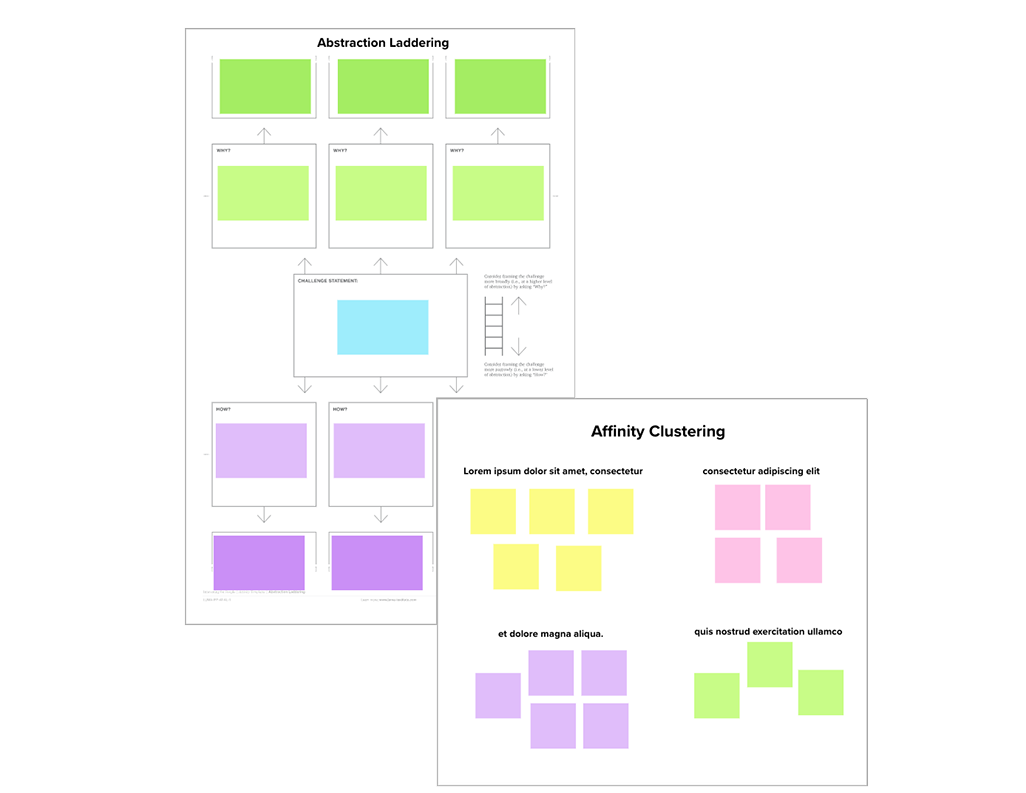
Before beginning the project, we gathered team members who represented different parts of the business and conducted abstraction laddering and affinity clustering exercises to define our project goal and project scope.
COLLECTING EMPATHY RESEARCH: We collected previous ‘voice of customer’ research that had been conducted before we were assigned the project. In addition, we conducted additional interviews with stakeholders to better understand the needs of the internal team as well as the customers. Affinity clustering was used to sort the notes and find the insights.
Together we planned and facilitated a 5-day design sprint with internal stakeholders representing various voices throughout the company. The goal of the sprint was to understand the user journeys of both internal teams and external Cummins customers, then produce a tangible prototype of the framework concept to test with customers. We modified and adjusted plans quickly between each day to reach our final goal.
MAPPING THE EXISTING EXPERIENCE:
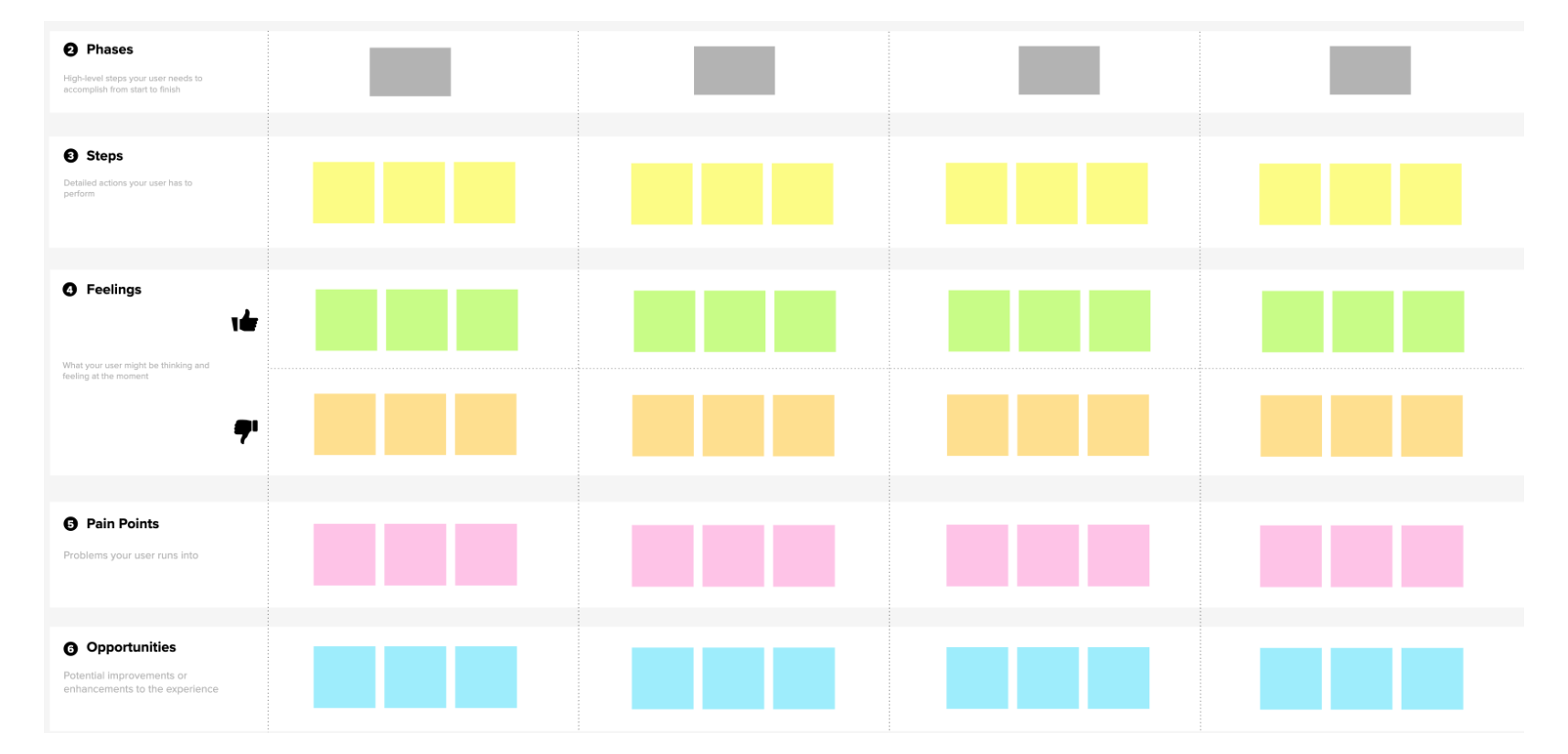
On day 1 and 2 of the design sprint, the insights and customer voices were shared with the team, personas were developed, and an experience map was crafted to visualize the pain-points in the user journeys.
GENERATING IDEAS:
On days 3 and 4 of the design sprint, the team focused on ideation and prototyping. We facilitated a round robin activity
for ideation. We broke the team up based on expertise to prototype solutions, then evaluated and improved each idea. Finally, we brought the ideas together to develop a tangible framework.
TOOL PRIORITIZATION & TEST PLANNING:
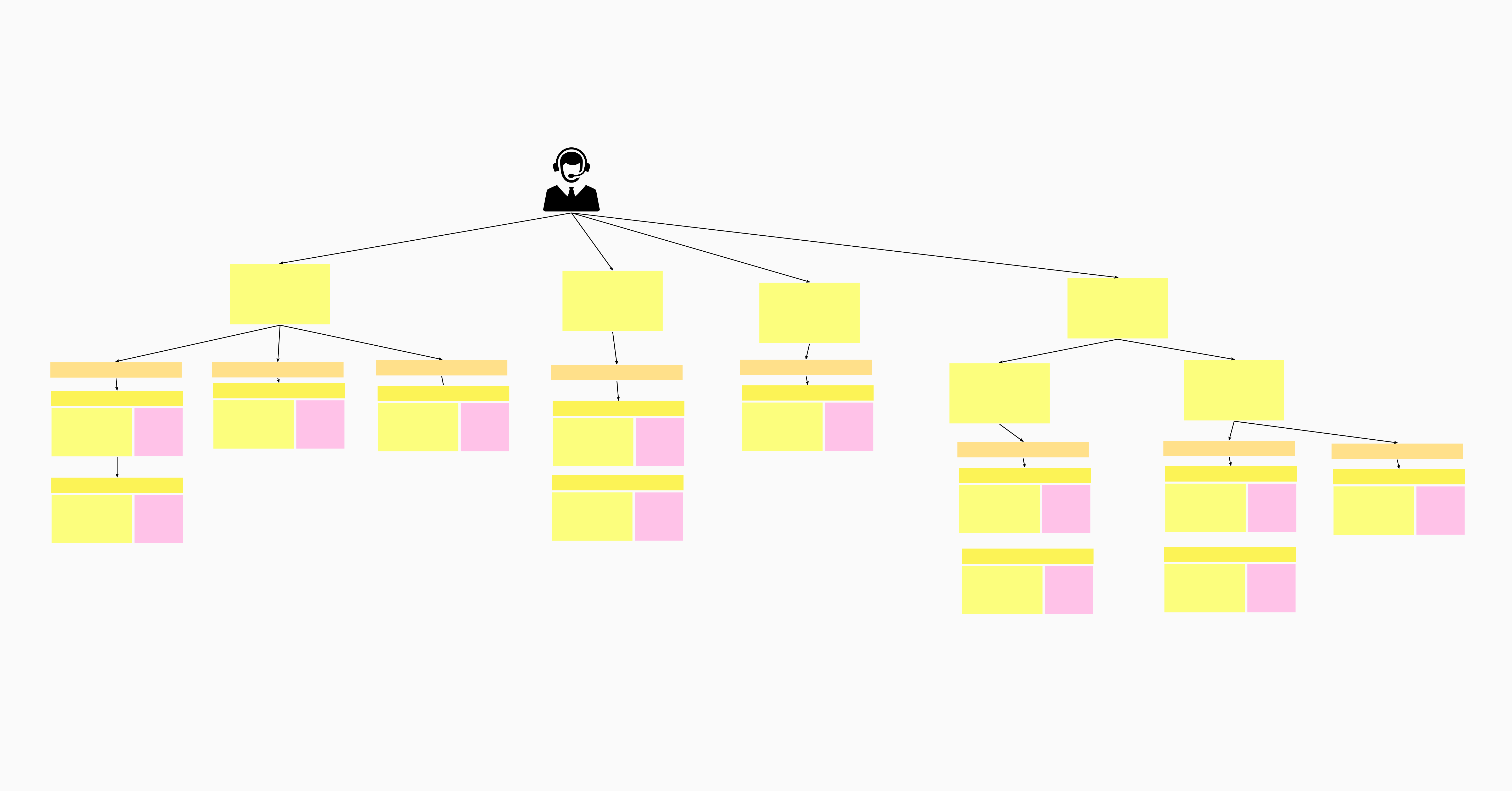
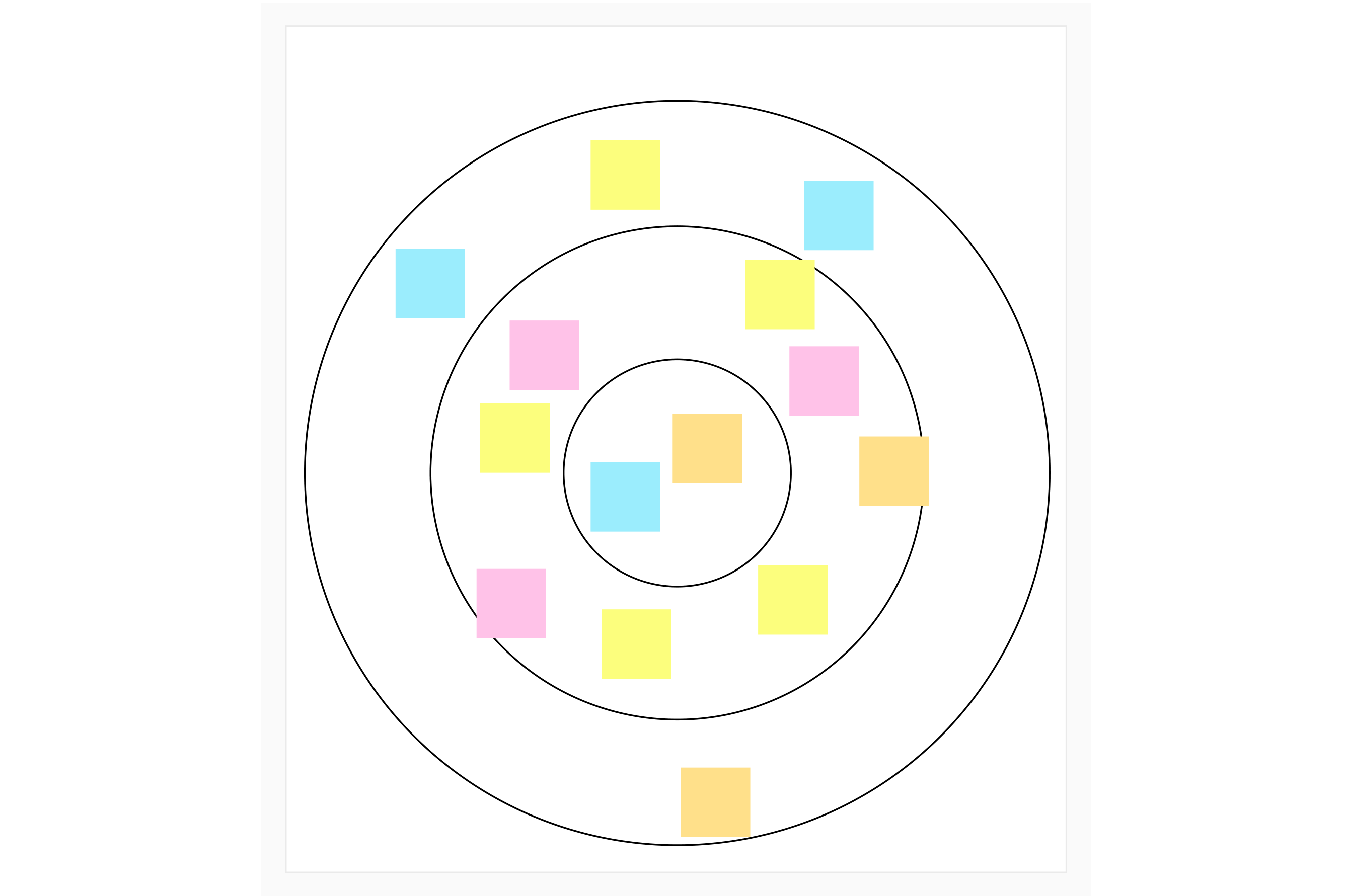
On day 5, we prioritized the tools and crafted questions for testing.
SYNTHESIS:
After the design sprint, we realized a lot of the tools were very similar. After learning more about the technical nature of each tool, we aligned tools and tool-teams to develop consolidated solutions for our stakeholders. We visualized the tool concepts for testing.
TESTING: We tested the framework with internal stakeholders and Fortune 500 executive leaders to gain feedback. The feedback was synthesized, and a transition plan was made to jump start further research and development for the framework.
RESULTS: The project launched the alignment of internal tools, the creation of an internal sustainability resource center, and customer-facing sustainability tools. The work still continues and remains a key initiative for the company's goals.